


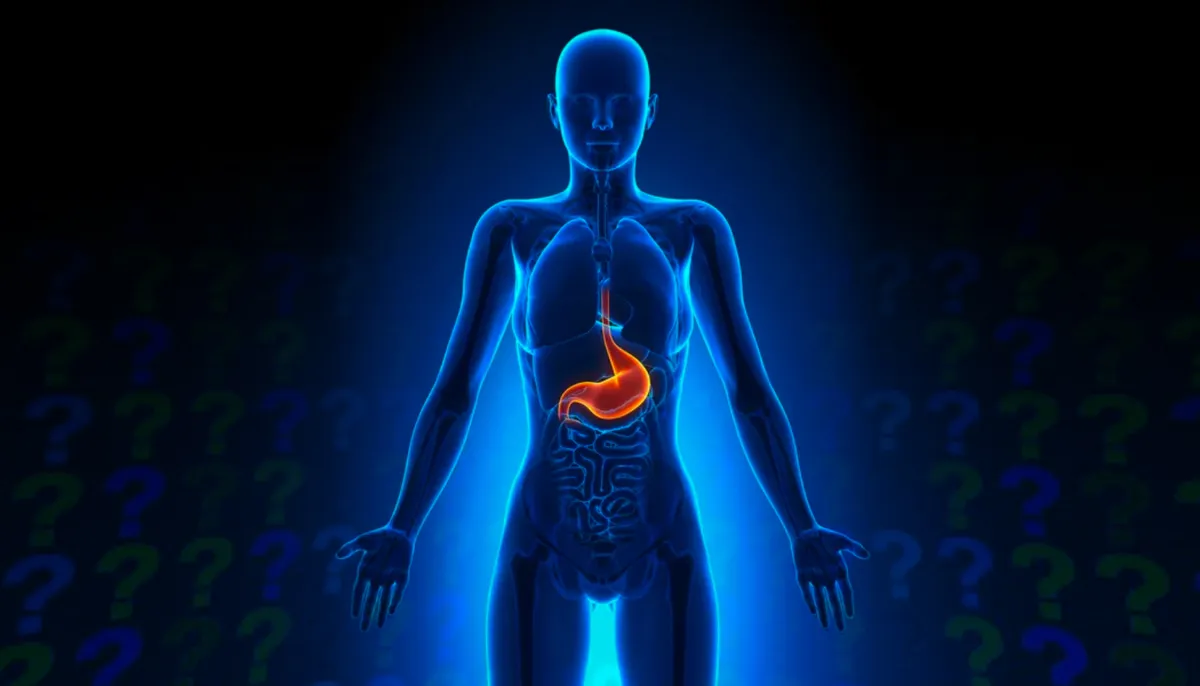
If you are preparing for reflux surgery or are in the recovery phase, understanding what to expect can help you manage your post-surgery journey. Reflux surgery offers relief from chronic acid reflux or gastroesophageal reflux disease (GERD), but the recovery process requires attention and patience. In this guide, we will walk you through the recovery process, tips for care, and how to ensure the best possible outcome after your surgery.
Understanding the Importance of Reflux Surgery Recovery
Undergoing reflux surgery is a significant step in the treatment of GERD, and while it is highly effective for many patients, the recovery phase plays a crucial role in the success of the procedure. Knowing how to care for yourself during this period will ensure that your body heals properly and that the benefits of the surgery are fully realized.
The Initial Days After Surgery
The first few days after reflux surgery are pivotal. You may experience some discomfort, swelling, and mild pain around the incision sites. Here’s what you can expect:
- Hospital Stay: Most patients stay in the hospital for one to two days after the surgery for monitoring and recovery.
- Pain Management: Pain will be managed with prescribed medication, and you may also experience discomfort from the bloating caused by gas in the stomach.
- Dietary Restrictions: Initially, you will be on a liquid diet. Gradually, you will transition to soft foods and then to normal foods based on your doctor’s advice.
Managing Discomfort and Pain
After reflux surgery, mild discomfort or pain is normal, but it is important to follow your doctor's instructions regarding pain management. Here are some strategies to help:
- Follow-Up Appointments: Keep your follow-up appointments with your surgeon to ensure that your recovery is progressing as expected.
- Pain Medication: Take pain medications as prescribed to minimize discomfort.
- Gentle Activity: While resting is crucial, gentle movement, like short walks, can help improve circulation and prevent complications.
Diet and Nutrition After Surgery
One of the most important aspects of reflux surgery recovery is following a specific diet plan. This ensures that your stomach heals properly and that your body can adjust to the changes. Initially, your surgeon will advise you to stick to:
- Clear Liquids: Water, broth, and clear juices during the first 24-48 hours.
- Pureed Foods: Soft foods like mashed potatoes, applesauce, and oatmeal after the initial recovery phase.
- Soft Solids: Gradually introducing foods like scrambled eggs and fish as you progress.
Always follow your doctor’s specific instructions on food and drink, as individual needs may vary.
The Role of Rest and Activity
After reflux surgery, getting enough rest and avoiding strenuous activity is critical for proper healing. However, staying mobile is important to prevent blood clots and aid circulation. Here’s how you can balance rest and activity:
- Rest: Take plenty of rest during the first few days to allow your body to heal.
- Physical Activity: After the first few days, gentle activities such as walking can help improve circulation. Avoid heavy lifting or strenuous exercise until cleared by your doctor.
Signs of Complications to Watch For
Although rare, complications can arise after reflux surgery. Be sure to monitor for these signs and contact your doctor if you experience any of them:
- Fever or chills
- Persistent or severe pain
- Difficulty swallowing
- Unusual bloating or gas retention
Promptly reporting any concerns to your healthcare provider ensures that any complications are addressed early.
Long-Term Recovery and Lifestyle Adjustments
Your recovery journey doesn’t end immediately after you leave the hospital. In fact, making permanent lifestyle changes can help maintain the success of your surgery and prevent GERD from returning.
1. Dietary Adjustments
Once you've healed, you may be able to reintroduce your regular diet, but some adjustments may need to be made for long-term comfort. Avoid trigger foods like spicy dishes, caffeine, and alcohol to help reduce any pressure on your digestive system.
2. Weight Management
Maintaining a healthy weight can significantly reduce the risk of GERD returning after surgery. Regular physical activity, combined with a healthy diet, can help you manage your weight.
3. Avoiding Heavy Meals
Eating smaller meals throughout the day instead of large meals will reduce pressure on your stomach and the risk of acid reflux.
4. Head Elevation While Sleeping
Consider using a wedge pillow or raising the head of your bed to help prevent any acid from flowing back into the esophagus while you sleep.
Post-Surgery Lifestyle: What to Expect
The success of your surgery depends not just on the immediate recovery phase but also on the lifestyle changes you make afterward. Most patients experience a significant reduction or even a complete cessation of reflux symptoms post-surgery, but lifestyle modifications are key to sustaining long-term success.
- Regular Check-Ups: Even after you’re healed, it’s essential to schedule regular check-ups with your doctor to ensure that everything is functioning as it should.
- Stay Hydrated: Drinking enough water helps the digestive system stay on track, preventing complications.
- Stress Management: Chronic stress can exacerbate digestive issues, so learning to manage stress through relaxation techniques is highly beneficial for your health.
Common Questions About Reflux Surgery Recovery
How long does it take to fully recover from reflux surgery?
- Recovery time varies but generally, it takes around 4 to 6 weeks to fully recover from reflux surgery. You will likely be able to return to most of your daily activities after about 2 to 3 weeks.
Can I return to work after reflux surgery?
- Many patients can return to work after 1-2 weeks, depending on the nature of their job and how they’re feeling. Jobs that require physical labor may require a longer recovery time.
Will I still need to take medications after surgery?
- In most cases, surgery reduces or eliminates the need for GERD medications. However, some patients may still need occasional acid-reducing medication based on their individual condition.
Recovery after reflux surgery involves a few weeks of careful attention to pain management, diet, and activity levels. By following your doctor’s instructions and making lifestyle adjustments, you can enjoy long-term relief from GERD symptoms. Whether you are just beginning the recovery process or nearing full recovery, the key to success lies in consistent care, patience, and following expert guidance. By understanding what to expect after reflux surgery, you’ll be prepared to navigate the journey to improved health with confidence.