


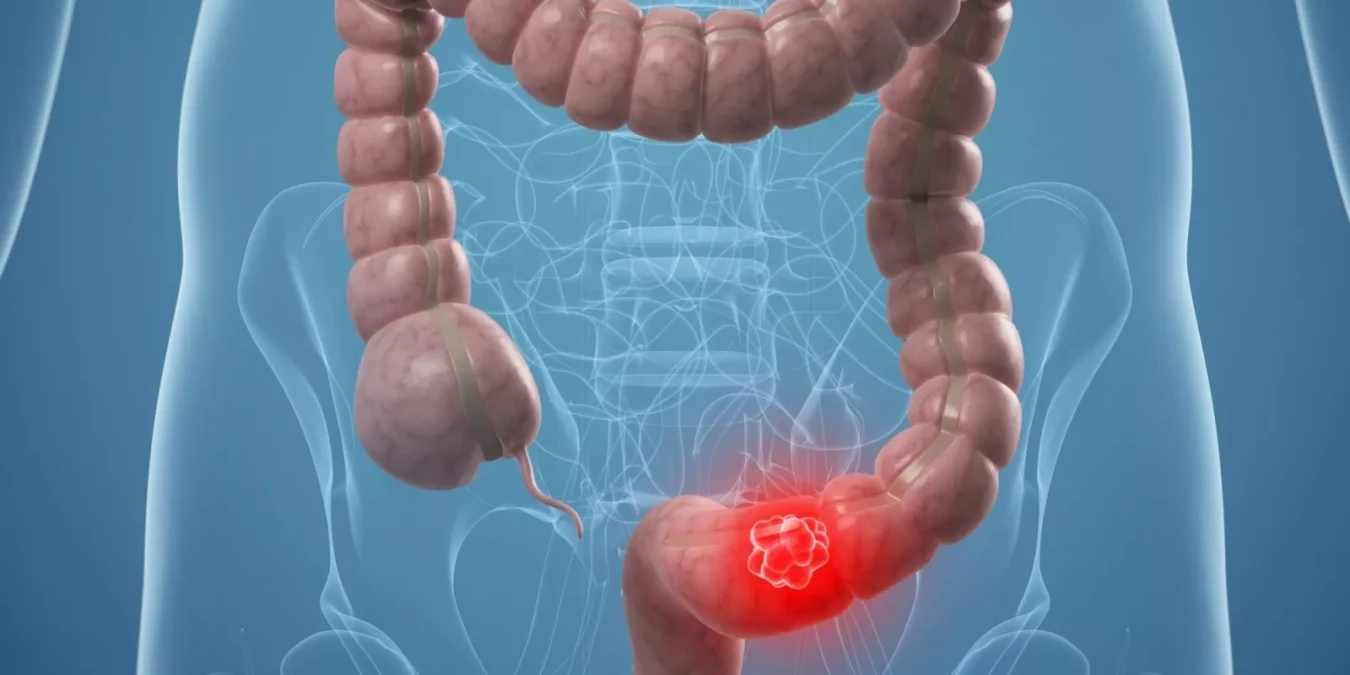
Colon cancer remains one of the most diagnosed cancers worldwide. The role of early detection in colon cancer survival rates is vital, as timely diagnosis and intervention can significantly improve outcomes. With early screening and diagnostic tools, many lives can be saved. In this article, we will delve into how early detection contributes to better survival rates, the importance of screening, and the factors influencing colon cancer prognosis.
Understanding Colon Cancer and its Impact
Colon cancer, also known as colorectal cancer, begins in the large intestine or rectum. It typically develops from polyps—small growths on the colon lining—that over time can become cancerous. The exact cause of colon cancer isn't always clear, but factors such as family history, age, diet, and lifestyle choices play a role.
How Early Detection Improves Survival Rates
Early detection is one of the most effective ways to improve survival rates in colon cancer patients. When the cancer is found in its earliest stages, treatment options are more effective, and the prognosis is generally much better. Studies consistently show that patients diagnosed with stage I colon cancer have a 5-year survival rate of over 90%, compared to just around 15-20% for those diagnosed at a later stage.
In this section, we will explore the following reasons why early detection can drastically improve colon cancer survival rates:
- Less extensive treatment: Early-stage colon cancer typically requires less aggressive treatments such as surgery and localized therapies.
- Fewer complications: When the cancer is detected early, it is less likely to have spread to other organs, meaning treatments can be more targeted and less invasive.
- Increased treatment options: Early detection opens up more opportunities for minimally invasive surgeries, targeted therapies, and immunotherapies.
Screening Methods That Help in Early Detection
Screening for colon cancer helps in detecting the disease before symptoms even appear. Early-stage colon cancer often doesn’t cause noticeable symptoms, which is why regular screening is crucial, especially for people over 45 or those with a family history of the disease.
The following are some of the most effective screening methods for early detection:
- Colonoscopy: A procedure in which a doctor examines the inside of the colon with a long, flexible tube. It is the most reliable method for detecting polyps and early signs of cancer.
- Fecal Occult Blood Test (FOBT): This test checks for hidden blood in the stool, which may indicate the presence of polyps or cancer.
- CT Colonography (Virtual Colonoscopy): This imaging test provides a detailed picture of the colon, allowing doctors to detect abnormalities.
- Flexible Sigmoidoscopy: Similar to colonoscopy but limited to the lower part of the colon, it’s a good option for some individuals.
Importance of Regular Screening
Regular screening for colon cancer can help catch the disease before it progresses to later stages. For people who are at higher risk due to factors such as family history or inflammatory bowel disease, starting screening earlier and undergoing it more frequently can dramatically lower the chance of late-stage cancer development.
Doctors recommend the following screening guidelines:
- For individuals with average risk: Begin regular screening at age 45 and continue until age 75.
- For individuals at higher risk: Screening should begin earlier, and the frequency may be increased.
Risk Factors for Colon Cancer
Although early detection plays a major role in improving survival rates, understanding the risk factors for colon cancer is equally important. Risk factors include:
- Age: Colon cancer risk increases with age, especially after 50.
- Family history: Having a first-degree relative diagnosed with colon cancer raises your risk.
- Genetics: Inherited conditions like Lynch syndrome can increase susceptibility to colon cancer.
- Lifestyle factors: A diet high in red or processed meats, lack of physical activity, smoking, and alcohol consumption can increase risk.
Symptoms of Colon Cancer: When to Seek Help
In the early stages of colon cancer, symptoms may not be evident. However, as the disease progresses, certain signs may appear, including:
- Unexplained weight loss.
- Persistent abdominal pain.
- Changes in bowel habits, such as diarrhea or constipation.
- Blood in stool or rectal bleeding.
If you notice any of these symptoms, it is crucial to consult a healthcare provider for early detection. Even though these symptoms can be caused by other conditions, early diagnosis can help rule out colon cancer and ensure timely treatment.
Advances in Colon Cancer Research and Detection
Advancements in medical technology have revolutionized colon cancer detection and treatment. From genetic screening to improved imaging techniques, the future of colon cancer early detection is promising. For instance, liquid biopsy is a new method being researched that could allow doctors to detect colon cancer using blood tests. This non-invasive method may allow for even earlier and more convenient detection in the future.
How Lifestyle Changes Can Lower the Risk of Colon Cancer
While early detection is key to improving survival rates, adopting a healthy lifestyle can also significantly reduce the risk of developing colon cancer. Some preventive measures include:
- Dietary changes: Eating a diet rich in fruits, vegetables, and whole grains while limiting processed foods.
- Exercise: Regular physical activity can reduce the risk of colon cancer.
- Avoiding tobacco and alcohol: Smoking and heavy alcohol consumption are linked to an increased risk of colon cancer.
Early Detection Saves Lives: Real-life Stories
Many individuals who have undergone early screening for colon cancer have shared success stories of overcoming the disease. Early detection allowed them to receive treatment before cancer could spread to other areas, leading to better recovery outcomes.
Example 1:
John, a 55-year-old man, underwent a routine colonoscopy and discovered a small polyp. The polyp was removed, and further tests showed no signs of cancer. His doctor credits early detection for saving his life.
Example 2:
Sarah, a 49-year-old woman, had regular screenings due to her family history of colon cancer. Her doctor detected early-stage cancer through a fecal occult blood test. She received treatment in time and is now cancer-free.
The role of early detection in colon cancer survival rates cannot be overstated. With regular screenings and timely intervention, many lives can be saved. Early detection allows for more effective treatments, fewer complications, and better overall outcomes. It is crucial to understand the importance of screening, recognize risk factors, and adopt healthy lifestyle habits to minimize the risk of colon cancer. If you are at risk, make sure to schedule regular screenings and consult with a healthcare provider for advice on the best approach for early detection.
By taking these steps, you can improve your chances of surviving colon cancer and living a healthier life. Early detection is truly the key to beating colon cancer and improving survival rates.