


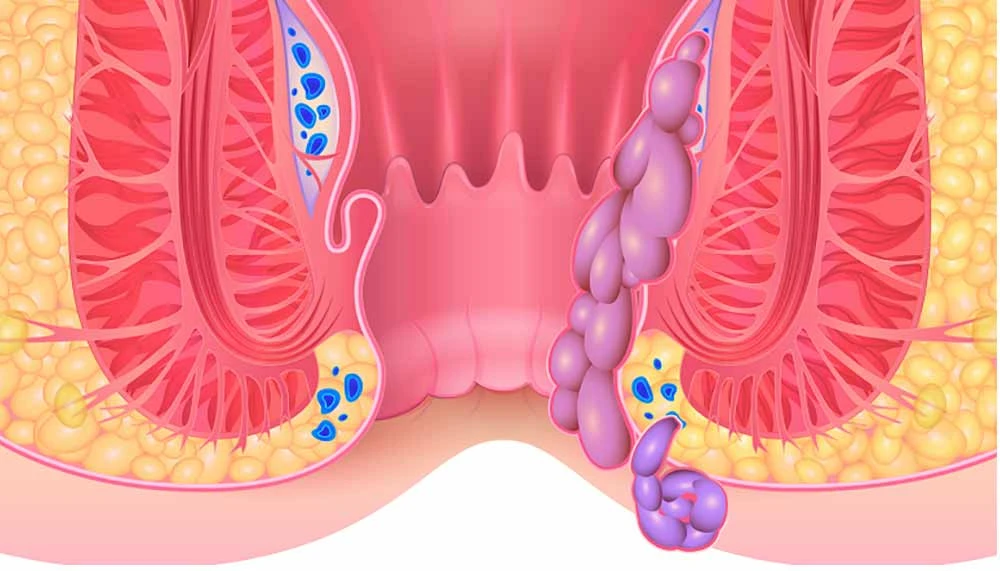
Haemorrhoids are a common yet often misunderstood condition that affects many individuals, and at Cyprus General Surgery, we’re here to provide clarity and solutions. These swollen veins in the rectum or anus can cause discomfort, but understanding their causes, symptoms, and treatments can empower you to take control of your health. Whether you’re experiencing mild irritation or severe pain, this guide will walk you through everything you need to know about this condition in a clear and confident manner. From diagnosis to prevention, we’ve got you covered with expert insights tailored for readers seeking reliable information.
What Are Haemorrhoids?
Haemorrhoids, also known as piles, are swollen blood vessels located in or around the anal canal. They can develop internally (inside the rectum) or externally (under the skin around the anus). This condition is incredibly common, with millions of people worldwide experiencing it at some point in their lives. At Cyprus General Surgery, we see patients of all ages dealing with this issue, often due to lifestyle factors or physiological changes. While they’re not typically life-threatening, haemorrhoids can significantly impact your quality of life if left unaddressed.
There are two main types:
- Internal haemorrhoids: These form inside the rectum and are usually painless but may cause bleeding.
- External haemorrhoids: These develop under the skin around the anus and can be painful or itchy.
Understanding the nature of haemorrhoids is the first step toward effective management and treatment.
What Are the Symptoms of Haemorrhoids?
The symptoms of haemorrhoids can vary depending on their type and severity. For many, the condition begins subtly but can worsen over time without intervention. At Cyprus General Surgery, we encourage patients to recognize these signs early for prompt relief. Common symptoms include:
- Bleeding: Bright red blood during bowel movements, often noticed on toilet paper.
- Itching or irritation: A persistent discomfort around the anal area.
- Pain or discomfort: Especially with external haemorrhoids, particularly during sitting or bowel movements.
- Swelling: A lump or protrusion near the anus that may be tender to touch.
- Mucus discharge: A slimy sensation after wiping.
If you’re experiencing any of these, it’s worth exploring further to determine the best course of action.
What Causes Haemorrhoids?
Several factors contribute to the development of haemorrhoids, and understanding them can help you mitigate your risk. At Cyprus General Surgery, we often see cases linked to everyday habits or medical conditions. The primary causes include:
- Straining during bowel movements: Often due to constipation or hard stools.
- Prolonged sitting: Especially on the toilet or in sedentary jobs.
- Pregnancy: Increased pressure on pelvic veins as the uterus expands.
- Obesity: Excess weight puts additional strain on the rectal veins.
- Low-fibre diet: Leading to constipation and harder stools.
- Ageing: As tissues weaken over time, haemorrhoids become more likely.
By identifying the root cause, you can take proactive steps to address this condition effectively.
When Should I See My Doctor?
Knowing when to seek medical advice for haemorrhoids is crucial for avoiding complications. While mild cases may resolve with home care, certain situations warrant a visit to Cyprus General Surgery. You should consult a doctor if:
- Bleeding persists or worsens, especially if it’s dark or clotted.
- Pain becomes severe or unbearable.
- A lump protrudes and doesn’t retract naturally (a prolapsed haemorrhoid).
- You experience symptoms alongside unexplained weight loss or changes in bowel habits.
Early intervention can prevent escalation, so don’t hesitate to reach out when in doubt.
How Are Haemorrhoids Diagnosed?
Diagnosing haemorrhoids is a straightforward process at Cyprus General Surgery, where our experts use a combination of history-taking and physical examination. Here’s how it typically works:
- Medical history review: We’ll ask about your symptoms, diet, and bowel habits.
- Physical examination: A gentle inspection of the anal area to identify external haemorrhoids.
- Digital rectal exam (DRE): A gloved finger checks for internal abnormalities.
- Anoscopy or proctoscopy: Specialized tools allow us to view inside the rectum for a clearer diagnosis.
In rare cases, if symptoms suggest another condition (like colorectal cancer), additional tests such as a colonoscopy may be recommended. Our confident approach ensures an accurate diagnosis tailored to your needs.
How Are Haemorrhoids Treated?
Treatment for haemorrhoids depends on their severity, and at Cyprus General Surgery, we offer a range of options to suit every patient. From conservative measures to surgical solutions, here’s what you can expect:
Non-Surgical Treatments
- Lifestyle changes: Increasing fibre intake, staying hydrated, and avoiding straining.
- Topical treatments: Over-the-counter creams or suppositories to reduce inflammation and pain.
- Sitz baths: Soaking the anal area in warm water for 10-15 minutes, 2-3 times daily.
- Rubber band ligation: A small band cuts off blood flow to internal haemorrhoids, causing them to shrink.
Surgical Options
- Haemorrhoidectomy: Removal of severe or prolapsed haemorrhoids under anaesthesia.
- Stapled haemorrhoidopexy: A procedure to reposition and secure internal haemorrhoids.
- Laser treatment: A modern, minimally invasive option for precise removal.
Our team ensures you receive the most effective treatment with minimal discomfort and downtime.
Can Haemorrhoids Be Prevented?
Preventing haemorrhoids is entirely possible with the right habits, and Cyprus General Surgery is committed to helping you maintain rectal health. Here are proven strategies:
- Eat a high-fibre diet: Include fruits, vegetables, and whole grains to soften stools.
- Stay hydrated: Drink plenty of water to prevent constipation.
- Exercise regularly: Physical activity promotes healthy digestion and reduces pelvic pressure.
- Avoid straining: Don’t linger on the toilet or force bowel movements.
- Maintain a healthy weight: Reducing excess pressure on veins lowers your risk.
By adopting these practices, you can significantly decrease the likelihood of developing this condition.
Complications of Haemorrhoids
While haemorrhoids are usually manageable, ignoring them can lead to complications. At Cyprus General Surgery, we’ve seen the following issues arise in untreated cases:
- Thrombosed haemorrhoids: Blood clots form in external haemorrhoids, causing intense pain.
- Anaemia: Chronic bleeding may lead to low red blood cell counts over time.
- Strangulated haemorrhoids: Blood supply is cut off to prolapsed tissue, requiring urgent care.
- Infection: Open sores or fissures near haemorrhoids can become infected.
Prompt treatment minimizes these risks, ensuring your health remains intact.
Haemorrhoids may be a common condition, but with the right knowledge and care, they don’t have to disrupt your life. From understanding their causes and symptoms to exploring treatment and prevention options, this guide from Cyprus General Surgery equips you with the tools to manage them confidently. Don’t let discomfort hold you back—whether it’s a dietary tweak or a visit to our experts, relief is within reach in 2025.