


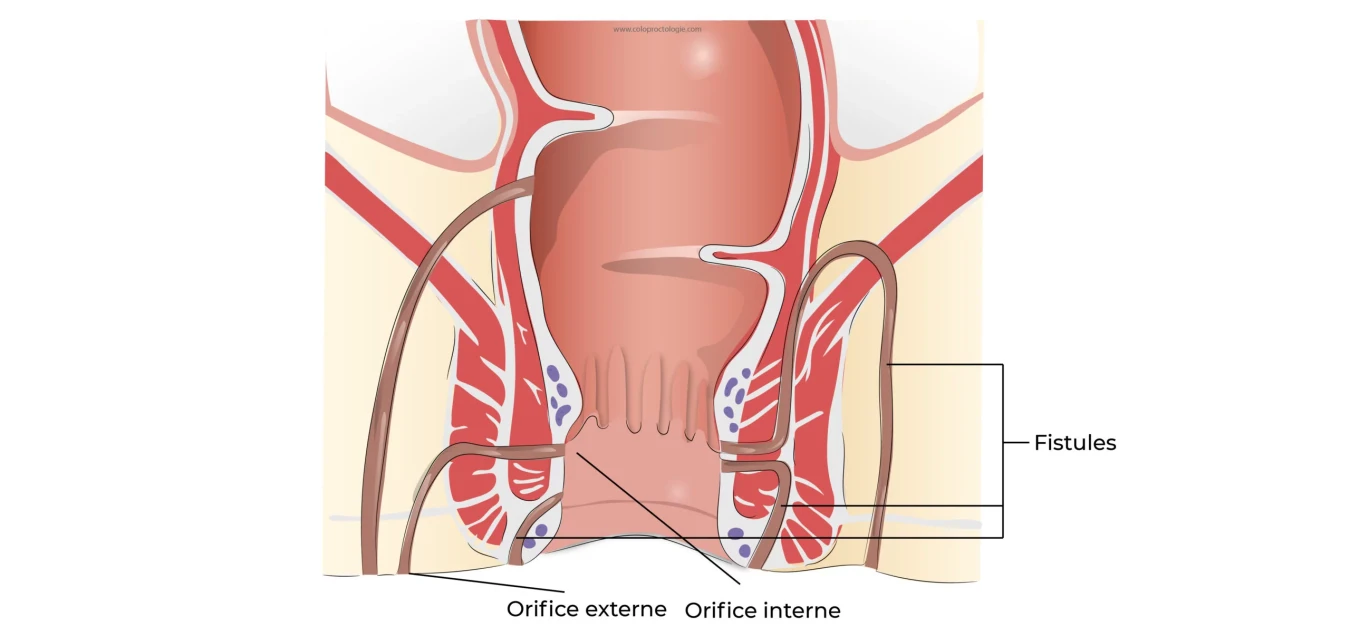
When it comes to causes of an anal fistula, many people are unaware of what triggers this painful condition. At Cyprus General Surgery, we believe in empowering our patients with knowledge to recognize and address this issue confidently. An anal fistula is an abnormal tunnel that forms between the anal canal and the skin near the anus, often leading to discomfort and complications. While the full details of this condition unfold in the sections below, understanding its origins, signs, and solutions can pave the way to effective relief. Let’s explore what you need to know to take charge of your health.
What Triggers an Anal Fistula? Unpacking the Causes
The causes of an anal fistula are rooted in several underlying factors that disrupt the body’s natural balance. Primarily, this condition stems from an untreated or recurring anal abscess, which is a pocket of pus caused by infection. When the abscess doesn’t heal properly, it can create a tunnel through the tissue, forming a fistula. Other contributing factors include:
- Chronic infections: Conditions like tuberculosis or sexually transmitted infections can increase risk.
- Inflammatory bowel diseases: Crohn’s disease and ulcerative colitis often lead to fistulas due to persistent inflammation.
- Trauma or injury: Surgical procedures or physical damage near the anus may trigger fistula formation.
- Weakened immune system: Diabetes or HIV can make healing slower, raising susceptibility.
At Cyprus General Surgery, we’ve seen how these causes of an anal fistula vary from patient to patient, making personalized diagnosis key.
Recognizing the Signs: Must-Know Symptoms of an Anal Fistula
Identifying the symptoms of an anal fistula early can prevent worsening discomfort and complications. Patients often report a range of telltale signs that signal this condition. The most common include:
- Persistent pain: A throbbing or sharp sensation around the anus, especially during bowel movements.
- Swelling and redness: Inflammation near the fistula opening is a frequent clue.
- Pus or blood discharge: Foul-smelling drainage from an external opening is a hallmark symptom.
- Itching or irritation: The skin around the anus may feel irritated or itchy due to leakage.
These symptoms of an anal fistula can disrupt daily life, but recognizing them empowers you to seek timely care at Cyprus General Surgery.
How Does an Anal Fistula Develop Over Time?
The progression of an anal fistula often begins silently, with many patients unaware until symptoms escalate. It typically starts with an infection in an anal gland, leading to an abscess. If untreated, the pus seeks an escape route, burrowing through tissue to the skin’s surface. Over time, this tunnel becomes a fistula, potentially branching into complex networks. Factors like poor hygiene, repeated infections, or underlying diseases can accelerate this process. At Cyprus General Surgery, we emphasize early intervention to halt this cycle and restore comfort.
Why Do Some People Get Anal Fistulas More Than Others?
Not everyone faces the same risk for an anal fistula, and certain conditions make some more prone. Individuals with Crohn’s disease, for instance, have a higher likelihood due to chronic gut inflammation. Similarly, those with a history of abscesses or a sedentary lifestyle may see recurring issues. Age and gender play a role too—men between 30 and 50 are statistically more affected. At Cyprus General Surgery, we assess these risk factors to tailor prevention and treatment plans confidently.
Treatment for an Anal Fistula: What Are Your Options?
When it comes to treatment for an anal fistula, Cyprus General Surgery offers proven solutions to eliminate pain and promote healing. The approach depends on the fistula’s complexity, but options include:
- Fistulotomy: Cutting open the fistula to allow it to heal from the inside out—ideal for simple cases.
- Seton placement: A thread is placed to drain the fistula gradually, often used for complex fistulas.
- Advancement flap procedure: Tissue is moved to cover the fistula opening, reducing recurrence.
- LIFT procedure: A less invasive method to disconnect the fistula tract while preserving sphincter function.
Non-surgical methods, like antibiotics, may help manage infection, but surgery is typically the most effective treatment for an anal fistula. Our team ensures every patient receives care suited to their unique needs.
Can You Prevent an Anal Fistula? Practical Steps to Take
While not all causes of an anal fistula are avoidable, proactive steps can lower your risk. Maintaining good hygiene by cleaning the anal area gently yet thoroughly is a start. A high-fiber diet prevents constipation, reducing strain that could worsen abscesses. Staying hydrated and avoiding prolonged sitting also support overall anal health. For those with conditions like Crohn’s disease, managing flare-ups with medical guidance is crucial. Cyprus General Surgery encourages these habits to keep fistulas at bay.
What Happens if an Anal Fistula Goes Untreated?
Ignoring an anal fistula can lead to serious consequences. The infection may spread, forming multiple fistulas or causing systemic illness like sepsis. Chronic pain and leakage can erode quality of life, while untreated fistulas increase the risk of anal cancer in rare cases. At Cyprus General Surgery, we stress the importance of addressing symptoms early to avoid these outcomes and restore well-being confidently.
How Cyprus General Surgery Approaches Anal Fistula Care
At Cyprus General Surgery, our approach to treatment for an anal fistula blends expertise with compassion. We begin with a thorough evaluation, often using imaging like MRI or ultrasound to map the fistula’s path. From there, our skilled surgeons recommend the best procedure, ensuring minimal discomfort and optimal recovery. Post-treatment, we provide clear aftercare instructions to prevent recurrence. Our patients trust us to deliver results that last.
Recovery After Treatment: What to Expect
Post-treatment recovery for an anal fistula varies by procedure but follows a clear timeline. After a fistulotomy, healing may take 4-6 weeks, with mild discomfort manageable by pain relievers. Seton patients might need longer, as drainage occurs gradually. Most return to normal activities within days, though heavy lifting or straining should be avoided. Cyprus General Surgery supports you with follow-ups to ensure a smooth, confident recovery.
When Should You Seek Help for an Anal Fistula?
Don’t wait to address the symptoms of an anal fistula. If you notice persistent pain, discharge, or swelling near your anus, it’s time to consult a specialist. Delaying care can complicate treatment and prolong discomfort. At Cyprus General Surgery, we’re ready to guide you through diagnosis and solutions with expertise you can rely on.
An anal fistula can be a challenging condition, but understanding its causes, recognizing its symptoms, and exploring effective treatment options offer a clear path to relief. At Cyprus General Surgery, we’re committed to helping you overcome this issue with tailored care that restores your comfort and confidence. Take the first step toward healing by addressing any signs early—your health deserves it.