


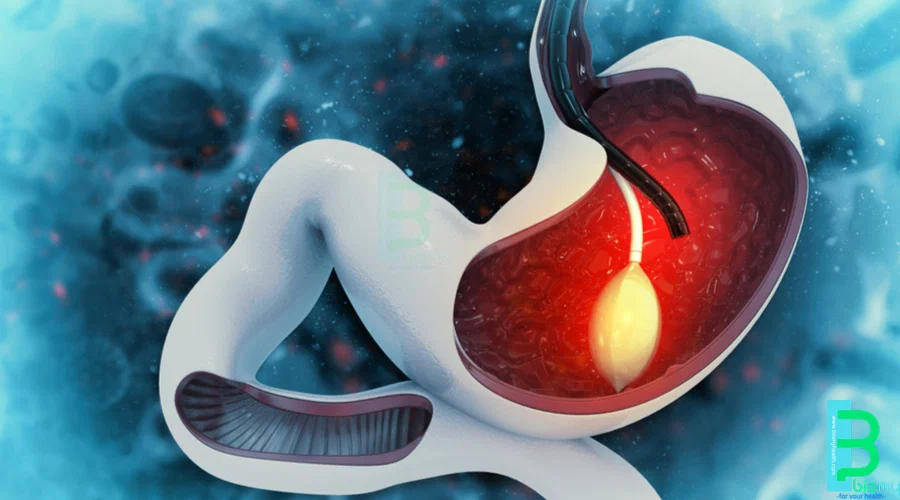
What is endoscopic gastric balloon? This innovative weight-loss solution, offered by Cyprus general surgery experts, involves placing a silicone balloon in the stomach to promote fullness and reduce food intake. As obesity rates rise globally, many are turning to minimally invasive procedures like this one to achieve sustainable weight loss without undergoing traditional surgery. In this article, we’ll explore how this procedure works, its benefits, and why Cyprus is becoming a hub for this advanced technique. Dive into the details to discover if this could be the key to your weight-loss journey.
Understanding the Endoscopic Gastric Balloon Procedure
The endoscopic gastric balloon is a non-surgical intervention designed to assist individuals struggling with obesity. Performed under sedation, a deflated silicone balloon is inserted into the stomach through the mouth using an endoscope—a flexible tube with a camera. Once positioned, the balloon is inflated with saline, occupying space in the stomach to create a feeling of fullness. This restricts the amount of food one can consume, aiding in portion control and weight reduction. In Cyprus, general surgery specialists have refined this technique, making it a popular choice for those seeking effective, temporary solutions. The entire process typically takes 15-20 minutes, and patients can return home the same day.
Why Choose Cyprus for Your Gastric Balloon Treatment?
Cyprus has emerged as a leading destination for medical tourism, particularly in general surgery. The island offers state-of-the-art facilities, highly trained surgeons, and competitive pricing compared to other countries. When it comes to the endoscopic gastric balloon, Cyprus stands out for its blend of expertise and patient-centered care. Many clinics provide all-inclusive packages that cover the procedure, accommodation, and follow-up support, ensuring a seamless experience. Additionally, the Mediterranean climate and serene environment make recovery pleasant and stress-free, enhancing the overall appeal of undergoing this treatment in Cyprus.
How Does the Endoscopic Gastric Balloon Work?
The mechanics behind the endoscopic gastric balloon are straightforward yet effective. By taking up space in the stomach, the balloon reduces its capacity, leading to earlier satiety during meals. This physical restriction is complemented by a potential delay in gastric emptying, meaning food stays in the stomach longer, further curbing hunger. In Cyprus general surgery practices, patients are guided through a comprehensive program that pairs the balloon with dietary and lifestyle changes. Typically left in place for six months, the balloon is then removed endoscopically, leaving no permanent alterations to the digestive system.
Who is a Candidate for This Procedure?
Not everyone is an ideal candidate for the endoscopic gastric balloon. It’s primarily recommended for individuals with a Body Mass Index (BMI) between 30 and 40 who have struggled to lose weight through diet and exercise alone. Those who are not eligible for or prefer to avoid invasive bariatric surgery often find this option appealing. In Cyprus, general surgery professionals conduct thorough evaluations to ensure suitability, ruling out contraindications like previous gastric surgery, large hiatal hernias, or severe gastrointestinal conditions. A consultation with a specialist will determine if this procedure aligns with your health goals.
Benefits of the Endoscopic Gastric Balloon in Cyprus
The endoscopic gastric balloon offers numerous advantages, especially when performed by Cyprus general surgery experts. Here are some key benefits:
- Non-Surgical: No incisions or scars, making it less invasive than traditional weight-loss surgeries.
- Temporary: The balloon is removed after six months, offering a reversible solution.
- Effective Weight Loss: Patients can lose 10-15% of their body weight, improving overall health.
- Quick Recovery: Most individuals resume normal activities within days.
- Affordable: Cyprus provides cost-effective options compared to Western Europe or the U.S.
These benefits make it a compelling choice for those seeking a balance between efficacy and minimal risk.
What to Expect During and After the Procedure
Undergoing an endoscopic gastric balloon placement in Cyprus is a streamlined process. Before the procedure, patients fast for at least eight hours and may start acid-reducing medication to prevent reflux. During the 15-20 minute session, sedation ensures comfort as the balloon is inserted and inflated. Post-procedure, expect mild discomfort, nausea, or cramping for a few days as the stomach adjusts—symptoms Cyprus general surgery teams manage with medication. For the first week, a liquid diet is recommended, gradually transitioning to solids under a nutritionist’s guidance. Regular follow-ups ensure progress and address any concerns.
Potential Risks and Side Effects
While the endoscopic gastric balloon is generally safe, it’s not without risks. Common side effects include nausea, vomiting, and abdominal discomfort, typically subsiding within days. Rare complications, though, can occur, such as balloon deflation (detectable by urine turning blue-green due to methylene dye), migration into the intestines, or gastric perforation. In Cyprus general surgery settings, experienced teams minimize these risks through rigorous pre-screening and post-procedure care. Patients are advised to report unusual symptoms immediately to ensure prompt intervention if needed.
Comparing Endoscopic Gastric Balloon to Other Weight-Loss Options
How does the endoscopic gastric balloon stack up against alternatives? Unlike bariatric surgery (e.g., gastric bypass or sleeve gastrectomy), it’s less invasive and reversible, though it yields more modest weight loss—10-15% versus 25-30% of body weight. Compared to pharmacotherapy, it offers quicker results without long-term medication reliance. Lifestyle changes alone often fall short for those with higher BMIs, making the balloon a middle-ground solution. In Cyprus, general surgery experts often recommend it as a bridge to more permanent options or for those needing short-term weight loss for health reasons.
The Role of Diet and Exercise with the Gastric Balloon
The endoscopic gastric balloon isn’t a standalone fix—it thrives with lifestyle support. In Cyprus general surgery programs, patients work with nutritionists to adopt a balanced, low-calorie diet tailored to their needs. Initial weeks focus on liquids and soft foods, transitioning to solids that avoid sticking to the balloon (e.g., pasta). Exercise is encouraged after the first 2-3 weeks, once fluid and electrolyte balance stabilize, to boost weight loss and maintain muscle tone. This synergy ensures the balloon’s temporary presence lays the foundation for lasting habits.
Success Stories from Cyprus General Surgery Patients
Real-life experiences highlight the impact of the endoscopic gastric balloon in Cyprus. Take Maria, a 38-year-old who lost 18 kg in six months, improving her diabetes and confidence. Or Andreas, 45, who shed 12 kg and avoided knee surgery by reducing joint strain. These Cyprus general surgery patients credit the procedure’s simplicity and the supportive follow-up care for their success. Such stories underscore how this method, when paired with commitment, transforms lives without the permanence of surgery.
Cost of Endoscopic Gastric Balloon in Cyprus
Affordability is a major draw for choosing Cyprus for an endoscopic gastric balloon. Cyprus offers significant savings without compromising quality. General surgery providers often bundle services, making budgeting easier. Insurance rarely covers this elective procedure, so out-of-pocket costs are a key consideration—another reason Cyprus shines as a cost-effective option.
Preparing for Your Endoscopic Gastric Balloon Journey
Preparation is crucial for a smooth endoscopic gastric balloon experience. In Cyprus, general surgery teams guide patients through pre-procedure steps: fasting, starting medications, and attending consultations. Emotionally, setting realistic goals and committing to lifestyle changes are vital. Packing light, arranging a ride home, and planning a liquid diet post-procedure ensure readiness. This proactive approach, supported by Cyprus’s expert care, sets the stage for success.
Long-Term Outcomes and Maintenance
After the endoscopic gastric balloon is removed at six months, maintaining weight loss hinges on sustained habits. Studies suggest 30-50% of patients keep the weight off long-term if they stick to diet and exercise routines established during treatment. In Cyprus general surgery follow-ups, ongoing support from dietitians and therapists helps prevent regain. For some, repeat procedures or progression to surgery become options if more weight loss is needed, offering flexibility in long-term obesity management.
Why the Endoscopic Gastric Balloon is Gaining Popularity
The endoscopic gastric balloon is trending due to its minimally invasive nature and proven results. In Cyprus, where general surgery expertise meets affordability, its appeal grows stronger. Patients value the lack of surgery, quick recovery, and tangible weight loss—10-15% of body weight in six months. As awareness spreads and technology improves (e.g., swallowable balloons), more individuals see it as a practical alternative to drastic measures, cementing its place in modern weight-loss strategies.
Conclusion
The endoscopic gastric balloon offers a confident, effective path to weight loss, blending simplicity with impactful results, especially through Cyprus general surgery expertise. From its non-surgical approach to its role in fostering healthier habits, it’s a game-changer for those ineligible or hesitant about traditional surgery. With Cyprus’s top-tier care and affordability, this procedure stands out as a smart choice for 2025, empowering individuals to reclaim their health with minimal disruption.