


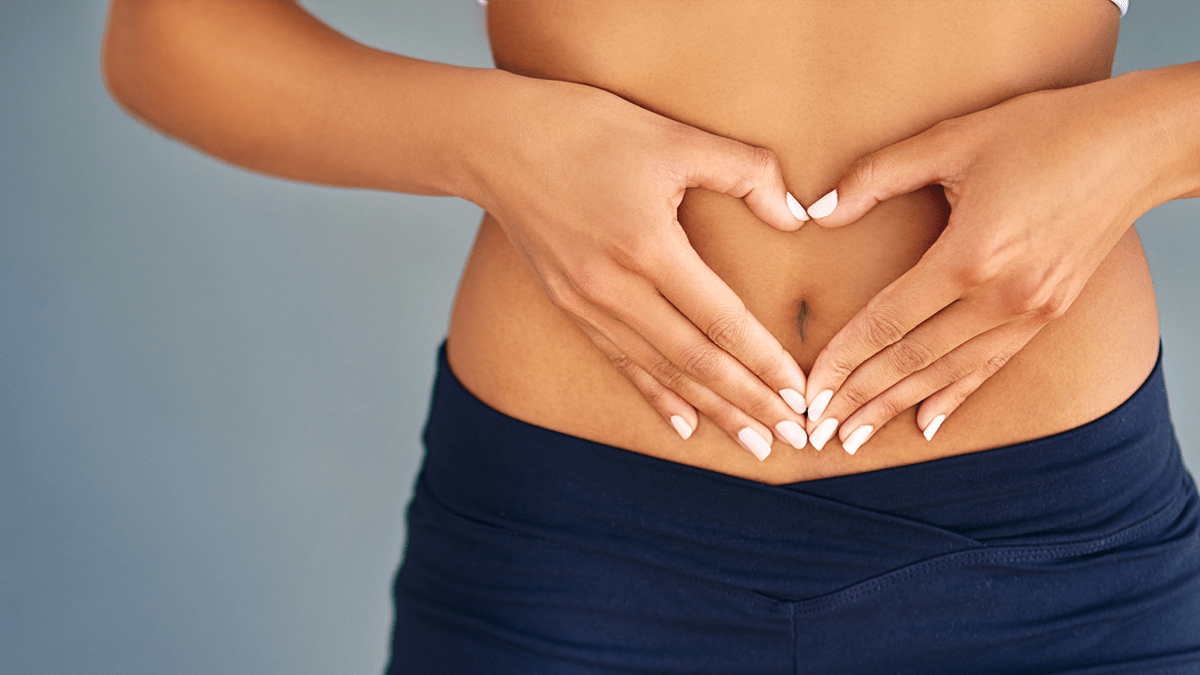
Stomach Botox, also known as gastric botox, is a non-surgical procedure that helps with weight loss by reducing stomach motility and appetite. This procedure involves injecting botulinum toxin into the stomach muscles, which slows down digestion and creates a prolonged feeling of fullness.
Who is Suitable for Stomach Botox?
Stomach Botox is ideal for individuals who:
- Struggle with mild to moderate obesity and have difficulty controlling their appetite.
- Have a body mass index (BMI) between 25 and 35.
- Are not suitable candidates for surgical weight-loss procedures.
- Seek a non-invasive weight-loss method.
- Are committed to making lifestyle and dietary changes post-procedure.
Are There Any Side Effects of Stomach Botox?
While stomach Botox is generally safe, some potential side effects may include:
- Mild nausea or bloating.
- Temporary stomach discomfort.
- Occasional heartburn.
- Rare cases of allergic reactions.
These side effects usually resolve within a few days, and serious complications are rare when performed by an experienced specialist.
Does Stomach Botox Enable Weight Loss?
Yes, stomach Botox can contribute to weight loss, but its effectiveness depends on several factors, including:
- Dietary habits: Patients must adopt a healthy diet to maximize results.
- Physical activity: Regular exercise enhances the benefits of Botox.
- Metabolism: Individual metabolic rates affect weight loss outcomes.
On average, patients can lose 10-15% of their body weight within six months if they maintain a proper diet and exercise routine.
How Long Does the Stomach Botox Process Take? Is It Necessary to Be Hospitalized?
- The stomach Botox procedure takes about 20-30 minutes.
- It is performed endoscopically under mild sedation.
- Hospitalization is not required, and patients can go home the same day.
- Recovery is quick, and normal activities can resume within 24 hours.
Does Gastric Botox Cause Permanent Damage to the Stomach?
No, gastric Botox does not cause permanent damage to the stomach. The effects of the injections wear off naturally within 4-6 months, and the stomach returns to its normal function without any lasting harm.
When Does the Effect of Stomach Botox Begin?
- The effects start within 3-5 days post-procedure.
- Appetite reduction and prolonged fullness become noticeable within a week.
- Maximum effectiveness is achieved within 2-4 weeks.
Can It Be Applied to Pregnant and Breastfeeding Women?
No, stomach Botox is not recommended for:
- Pregnant women, as there is limited research on its effects during pregnancy.
- Breastfeeding mothers, due to potential risks to the baby.
It is advised to wait until after pregnancy and breastfeeding before considering the procedure.
What is the Expectation from a Stomach Botox Procedure?
Patients undergoing stomach Botox should have realistic expectations:
- It is not a miracle cure but a weight-loss aid.
- Results vary based on lifestyle and dietary choices.
- Sustained weight loss requires long-term commitment to healthy habits.
How Should Nutrition Be After Stomach Botox?
To maximize results, patients should follow these dietary guidelines:
Recommended Foods:
- High-protein meals (chicken, fish, eggs, legumes).
- Fiber-rich foods (vegetables, fruits, whole grains).
- Plenty of water to stay hydrated.
Foods to Avoid:
- Sugary snacks and processed foods.
- Carbonated and alcoholic beverages.
- Fried and fatty foods.
What Should Be Considered After Stomach Botox?
After undergoing stomach Botox, patients should:
- Avoid overeating, even if hunger is reduced.
- Follow a balanced diet and avoid junk food.
- Engage in regular exercise to enhance weight loss.
- Stay hydrated and consume smaller meals throughout the day.
- Attend follow-up appointments with the doctor to monitor progress.
Stomach Botox is a safe and effective weight-loss method for individuals looking for a non-surgical option. It helps control appetite and digestion, leading to gradual weight loss when combined with a healthy lifestyle. Although temporary, its benefits can be maximized with proper nutrition and exercise. Consulting a qualified specialist is essential for achieving the best results.