


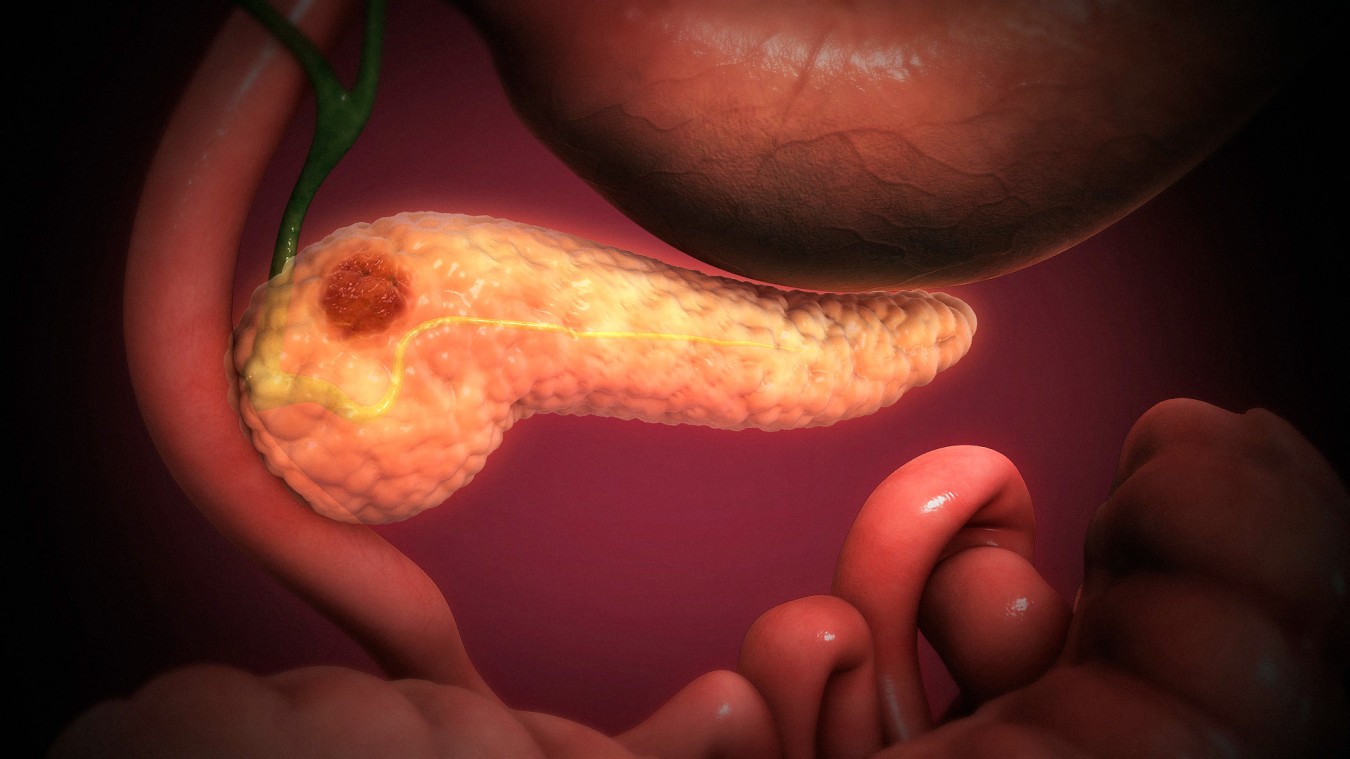
Pancreatic cancer is one of the most aggressive and challenging forms of cancer, often diagnosed in its later stages due to its subtle symptoms. Understanding the disease, its causes, and its symptoms is vital for early detection and improved outcomes.
What is Pancreatic Cancer?
Pancreatic cancer develops when abnormal cells in the pancreas grow uncontrollably, forming a tumor. The pancreas, located behind the stomach, plays a vital role in digestion and regulating blood sugar levels. There are two primary types of pancreatic cancer:
- Exocrine Tumors: The most common type, primarily affecting the ducts that carry digestive enzymes.
- Endocrine Tumors: Less common and arise from hormone-producing cells in the pancreas.
How Common is Pancreatic Cancer?
Pancreatic cancer accounts for about 3% of all cancers in the United States but is responsible for approximately 7% of cancer deaths. The American Cancer Society estimates that over 60,000 people are diagnosed annually. The disease is more common in individuals over 65 and slightly more prevalent in men than women.
What are the Symptoms of Pancreatic Cancer?
Early-stage pancreatic cancer often presents no symptoms, making it difficult to detect. However, as the disease progresses, patients may experience:
- Abdominal pain radiating to the back
- Unexplained weight loss
- Loss of appetite
- Jaundice (yellowing of the skin and eyes)
- Nausea and vomiting
- Fatigue
- New-onset diabetes or worsening of existing diabetes
Recognizing these symptoms and seeking medical attention promptly is critical for early diagnosis.
How Long Does it Take to Notice Pancreatic Cancer?
Pancreatic cancer often progresses silently, with symptoms becoming noticeable only in advanced stages. On average, it may take several months to a year for symptoms to appear, depending on the tumor’s location and growth rate.
What Causes Pancreatic Cancer?
While the exact cause of pancreatic cancer remains unclear, several risk factors have been identified:
- Smoking: Smokers are twice as likely to develop pancreatic cancer.
- Chronic pancreatitis: Long-term inflammation of the pancreas increases risk.
- Family history: A genetic predisposition can elevate risk.
- Obesity: Excess body weight is a significant risk factor.
- Diabetes: Type 2 diabetes is associated with higher pancreatic cancer risk.
- Diet: High-fat diets and red/processed meat consumption may contribute to risk.
What are the Complications of Pancreatic Cancer?
Pancreatic cancer can lead to several complications, including:
- Digestive problems: Tumors may block enzymes from reaching the intestines, hindering digestion.
- Weight loss: Due to a combination of factors, including lack of appetite and poor nutrient absorption.
- Jaundice: Tumors blocking the bile duct can cause yellowing of the skin and eyes.
- Blood clots: Patients are at increased risk of developing deep vein thrombosis (DVT).
- Diabetes: Tumors may impair insulin production, leading to diabetes.
How is Pancreatic Cancer Diagnosed?
Diagnosis involves a combination of medical history, physical exams, and advanced diagnostic tools:
- Imaging tests: CT scans, MRI, and PET scans help identify tumors.
- Endoscopic ultrasound (EUS): Provides detailed images of the pancreas.
- Biopsy: A tissue sample confirms the presence of cancer cells.
- Blood tests: Markers like CA 19-9 may indicate pancreatic cancer but are not definitive.
Early diagnosis is essential for effective treatment, emphasizing the importance of regular check-ups and awareness of symptoms.
Is Pancreatic Cancer Curable?
The curability of pancreatic cancer depends on the stage at diagnosis:
- Early-stage: Surgery, combined with chemotherapy or radiation, offers the best chance for a cure.
- Advanced-stage: While cure rates are low, treatments focus on prolonging life and improving quality of life.
Recent advancements in targeted therapy and immunotherapy are providing hope for better outcomes.
Pancreatic cancer is a formidable disease, but understanding its symptoms, risk factors, and diagnostic methods can significantly improve outcomes. Early detection is crucial, as it opens doors to more effective treatments. If you or a loved one experience symptoms such as jaundice, unexplained weight loss, or persistent abdominal pain, consult a healthcare professional promptly. With continued research and advancements, the fight against pancreatic cancer is stronger than ever.