


Introduction to GERD and Treatment Options
Managing GERD: When to Consider Reflux Surgery is a critical topic for those struggling with chronic acid reflux in Cyprus and beyond. Gastroesophageal reflux disease (GERD) is a condition where stomach acid flows back into the esophagus, causing discomfort and potential complications. Many individuals manage their symptoms with lifestyle changes and medications, but for some, these solutions may not provide lasting relief. This article explores the journey of managing GERD, the limitations of conventional treatments, and the pivotal moment when reflux surgery becomes a viable option. At Cyprus General Surgery, we aim to guide you through understanding this condition and the advanced surgical interventions available.
What Is GERD and Why Does It Matter?
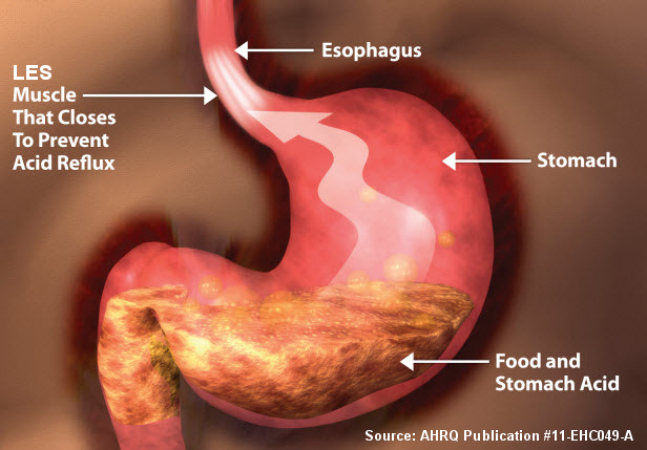
GERD, or gastroesophageal reflux disease, is more than just occasional heartburn. It occurs when the lower esophageal sphincter (LES), a muscle that acts as a valve between the stomach and esophagus, weakens or relaxes inappropriately. This allows stomach acid to escape into the esophagus, leading to symptoms like burning chest pain, regurgitation, and difficulty swallowing. If left untreated, GERD can cause severe complications such as esophageal ulcers, strictures, or even Barrett’s esophagus—a precancerous condition.
Understanding the seriousness of GERD is essential because prolonged exposure to acid can damage the esophageal lining. Many patients in Cyprus seek help when symptoms disrupt their daily lives, affecting sleep, diet, and overall well-being. Identifying the root cause and exploring treatment options early can prevent long-term health risks.
Common Treatments for GERD: Do They Always Work?
For most individuals diagnosed with GERD, treatment begins with non-surgical methods. These approaches aim to reduce acid production, strengthen the LES, and minimize symptoms. Here are some common strategies:
- Lifestyle Modifications: Avoiding trigger foods like spicy dishes, caffeine, and fatty meals can help. Elevating the head of the bed and eating smaller, frequent meals also reduce reflux episodes.
- Medications: Proton pump inhibitors (PPIs) and H2 receptor blockers are often prescribed to decrease stomach acid production. Antacids provide quick relief for mild symptoms.
- Behavioral Changes: Quitting smoking and managing stress can significantly improve GERD symptoms, as these factors often exacerbate acid reflux.
- Uncontrolled Symptoms: If heartburn or regurgitation continues despite maximum medical therapy, surgery may offer a permanent solution.
- Complications: Conditions like Barrett’s esophagus or esophageal strictures increase the urgency for surgical intervention.
- Medication Dependency: Long-term reliance on PPIs can lead to health risks, making surgery a safer long-term option for some.
- Quality of Life Issues: When GERD severely impacts sleep, work, or daily activities, surgical correction can restore normalcy.
- Long-Term Relief: Many patients experience significant improvement or complete resolution of GERD symptoms.
- Reduced Medication Use: Post-surgery, most individuals can reduce or eliminate their dependence on PPIs.
- Quick Recovery: Laparoscopic techniques ensure shorter hospital stays and faster return to normal activities.
- Your GERD symptoms are not controlled by medications or lifestyle changes.
- Diagnostic tests, such as endoscopy or pH monitoring, confirm severe acid reflux.
- You have developed complications like esophageal damage or Barrett’s esophagus.
- You are in good overall health and can undergo surgery without significant risks.
- Eat Smaller Meals: Large meals can put pressure on the stomach, increasing the risk of reflux.
- Avoid Trigger Foods: Spicy, acidic, or fatty foods should be limited to prevent irritation.
- Stay Upright After Eating: Wait at least 2-3 hours before lying down to allow proper digestion.
- Maintain a Healthy Weight: Excess weight can weaken the LES, so regular exercise and a balanced diet are beneficial.
While these treatments work for many, they are not a universal solution. Some patients find that symptoms persist despite strict adherence to medication and lifestyle changes. Others may experience side effects from long-term PPI use, such as nutrient deficiencies or increased risk of infections. When non-surgical options fail to provide relief, it’s time to consider more definitive solutions like reflux surgery.
Managing GERD: When to Consider Reflux Surgery as a Solution
For those who have exhausted conventional treatments, Managing GERD: When to Consider Reflux Surgery becomes a crucial decision point. Reflux surgery, such as fundoplication, is often recommended when GERD symptoms are severe, persistent, or lead to complications. This procedure involves wrapping the upper part of the stomach around the LES to reinforce it, preventing acid from flowing back into the esophagus.
Surgery is typically considered under the following circumstances:
At Cyprus General Surgery, our specialists assess each patient’s condition to determine if reflux surgery is the right path. We prioritize personalized care to ensure the best outcomes for those battling chronic GERD.
How Does Reflux Surgery Work?
Understanding the mechanics of reflux surgery can help patients feel more confident about the procedure. The most common surgical approach for GERD is laparoscopic fundoplication. This minimally invasive technique uses small incisions and a camera to guide the surgeon in wrapping the stomach around the LES. The result is a strengthened barrier that prevents acid reflux while still allowing food to pass through.
The benefits of this surgery include:
However, like any procedure, reflux surgery carries risks, such as difficulty swallowing or bloating. Consulting with experienced surgeons at Cyprus General Surgery ensures that patients are fully informed about the potential outcomes and recovery process.
Who Is a Candidate for Reflux Surgery?
Not everyone with GERD needs or qualifies for reflux surgery. Ideal candidates are those who meet specific criteria based on their medical history and current health status. Surgeons at Cyprus General Surgery evaluate patients to ensure surgery is both safe and necessary. You might be a candidate if:
It’s important to have a thorough discussion with your healthcare provider about the benefits and risks of surgery. This ensures that Managing GERD: When to Consider Reflux Surgery aligns with your health goals and lifestyle.
What to Expect Before and After Reflux Surgery
Preparing for reflux surgery involves several steps to ensure a smooth procedure and recovery. Before surgery, patients undergo diagnostic tests to confirm the severity of GERD and rule out other conditions. These may include an endoscopy, manometry, or a 24-hour pH test. Your surgeon at Cyprus General Surgery will also provide guidelines on diet and medications leading up to the operation.
Post-surgery, recovery typically involves a short hospital stay of 1-2 days for laparoscopic procedures. Patients are advised to follow a liquid or soft diet initially, gradually reintroducing solid foods. Most individuals return to normal activities within 2-3 weeks, though full recovery may take longer. Follow-up appointments are crucial to monitor healing and address any concerns like temporary swallowing difficulties.
The long-term success of reflux surgery depends on maintaining a healthy lifestyle. Avoiding overeating, staying upright after meals, and adhering to dietary recommendations can help sustain the benefits of the procedure.
Are There Alternatives to Traditional Reflux Surgery?
For those hesitant about traditional reflux surgery, newer techniques and technologies offer alternative solutions. One such option is the LINX Reflux Management System, a minimally invasive procedure that involves placing a small ring of magnetic beads around the LES. This device strengthens the sphincter while allowing food to pass through, reducing acid reflux without altering the stomach’s anatomy.
Another emerging option is transoral incisionless fundoplication (TIF), which reconstructs the anti-reflux barrier without external incisions. These alternatives may be suitable for patients with less severe GERD or those seeking less invasive interventions. Consulting with specialists at Cyprus General Surgery can help determine if these innovative approaches are right for you.
Why Choose Cyprus General Surgery for GERD Treatment?
When it comes to Managing GERD: When to Consider Reflux Surgery, choosing the right medical team is paramount. At Cyprus General Surgery, we pride ourselves on offering world-class care tailored to each patient’s needs. Our experienced surgeons specialize in minimally invasive techniques, ensuring safer procedures and faster recoveries. We also provide comprehensive pre- and post-operative support to guide patients through every step of their GERD treatment journey.
Our state-of-the-art facilities in Cyprus are equipped with the latest technology for diagnosing and treating GERD. Whether you’re exploring non-surgical options or considering reflux surgery, our team is committed to delivering personalized, compassionate care. Trust us to help you regain control over your health and improve your quality of life.
Potential Risks and Complications of Reflux Surgery
While reflux surgery is generally safe, it’s important to be aware of potential risks. Common complications include temporary difficulty swallowing, bloating, or gas. In rare cases, the wrap created during fundoplication may loosen over time, requiring additional intervention. There is also a small risk of infection or adverse reactions to anesthesia.
To minimize these risks, it’s critical to choose a skilled surgical team like the one at Cyprus General Surgery. Our surgeons conduct thorough evaluations to ensure patients are suitable candidates for surgery. Post-operative care instructions are provided to support healing and reduce the likelihood of complications. Being informed about these risks helps in Managing GERD: When to Consider Reflux Surgery with confidence.
Lifestyle Tips to Support GERD Management Post-Surgery
Even after successful reflux surgery, maintaining a GERD-friendly lifestyle is key to preventing symptom recurrence. Simple adjustments can make a significant difference in sustaining the results of your procedure. Consider the following tips:
Partnering with your healthcare team at Cyprus General Surgery ensures you receive ongoing guidance on managing GERD after surgery. These lifestyle changes, combined with surgical intervention, can lead to lasting relief.
Conclusion: Taking Control of GERD with Confidence
In summary, Managing GERD: When to Consider Reflux Surgery is a vital step for those who find no relief from conventional treatments. At Cyprus General Surgery, we offer expert care and advanced surgical options to help patients overcome the challenges of chronic GERD. By understanding when surgery is necessary and preparing for the journey ahead, you can reclaim your quality of life. Trust our dedicated team in Cyprus to support you in achieving long-term relief and better health.