


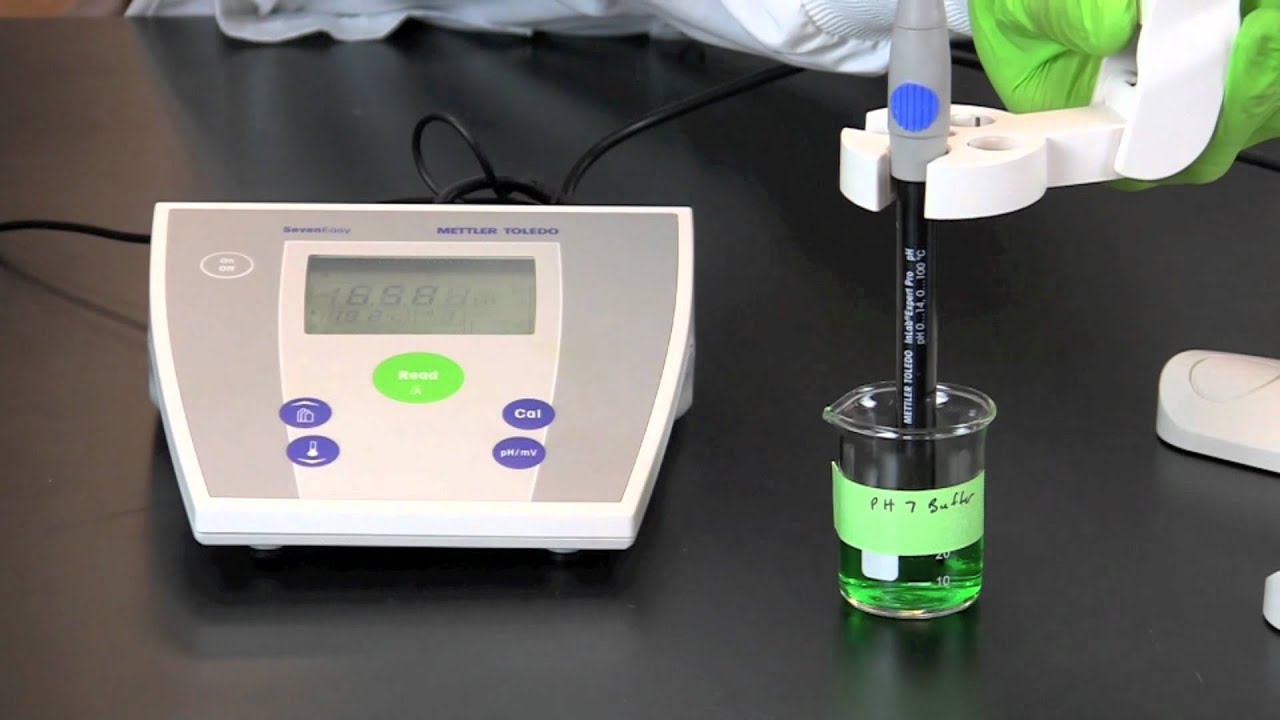
What is Endoscopic pH Meter Analysis? This advanced diagnostic tool is revolutionizing how surgeons in Cyprus assess esophageal health. It plays a pivotal role in general surgery, particularly for conditions like gastroesophageal reflux disease (GERD). By measuring the acidity levels in the esophagus, this technique provides critical insights into patient health. In this article, we’ll explore its mechanics, applications, and significance in Cyprus general surgery. Dive in to uncover how this method is shaping modern medical practices.
Understanding Endoscopic pH Meter Analysis
Endoscopic pH Meter Analysis is a specialized procedure that measures the pH levels—the acidity or alkalinity—in the esophagus over a set period, typically 24 to 48 hours. This test uses a small, flexible tube equipped with a pH sensor, which is inserted through the nose or mouth and positioned in the esophagus. The device records acid exposure, helping surgeons identify abnormal reflux patterns that could indicate conditions like GERD or Barrett’s esophagus.
In Cyprus general surgery, this technique is gaining traction due to its precision. Unlike traditional methods, such as symptom-based diagnosis, Endoscopic pH Meter Analysis offers objective data. This is crucial for patients who don’t respond to standard treatments like proton pump inhibitors (PPIs). The procedure’s ability to correlate symptoms with acid exposure makes it a cornerstone in diagnosing esophageal disorders.
How Does the Procedure Work?
The process begins with a consultation where a general surgeon in Cyprus evaluates the patient’s symptoms—heartburn, regurgitation, or chest pain. If Endoscopic pH Meter Analysis is deemed necessary, the patient undergoes preparation, which may include fasting. Here’s a step-by-step breakdown:
- Insertion: A thin catheter or wireless capsule with a pH sensor is placed in the esophagus, typically 5-6 cm above the lower esophageal sphincter (LES).
- Monitoring: The device records pH levels continuously as the patient goes about their daily activities, including eating and sleeping.
- Data Collection: Results are transmitted to an external recorder worn by the patient.
- Analysis: Surgeons review the data to determine the frequency, duration, and severity of acid reflux episodes.
In Cyprus general surgery, Bravo capsule is used, offering flexibility based on patient comfort and diagnostic needs.
Why is Endoscopic pH Meter Analysis Important in Cyprus?
Cyprus, with its advanced healthcare system, is increasingly adopting Endoscopic pH Meter Analysis to enhance patient outcomes in general surgery. The island’s population faces a rising incidence of GERD, partly due to dietary habits and lifestyle factors. This procedure provides a reliable way to confirm diagnoses when symptoms alone aren’t conclusive.
Moreover, Cyprus general surgery benefits from this tool’s ability to guide treatment plans. For instance, patients with persistent reflux despite medication may require surgical interventions like fundoplication. By pinpointing abnormal acid exposure, surgeons can tailor therapies, reducing unnecessary procedures and improving quality of life.
Applications in General Surgery
Endoscopic pH Meter Analysis has broad applications in Cyprus general surgery. Here are some key uses:
- Diagnosing GERD: It’s the gold standard for confirming acid reflux when endoscopy shows no visible damage.
- Pre-Surgical Planning: Before anti-reflux surgery, surgeons use it to ensure pathological reflux is present.
- Evaluating Treatment Efficacy: It assesses whether medications or lifestyle changes are controlling acid levels.
- Detecting Atypical Symptoms: Conditions like chronic cough or laryngopharyngeal reflux can be linked to esophageal acid exposure.
In Cyprus, where minimally invasive techniques are prioritized, this analysis aligns perfectly with the trend toward precision medicine.
Benefits of Endoscopic pH Meter Analysis
The advantages of Endoscopic pH Meter Analysis are numerous, making it a game-changer in Cyprus general surgery. First, it offers high sensitivity—up to 96%—and specificity, ensuring accurate diagnoses. Second, it’s minimally invasive, with wireless options reducing discomfort compared to traditional catheters. Third, it provides a comprehensive picture of esophageal function over time, unlike snapshot tests like endoscopy alone.
For patients in Cyprus, this means faster, more reliable diagnoses and personalized treatment plans. Surgeons benefit from data-driven decisions, enhancing surgical success rates and patient satisfaction.
Challenges and Limitations
Despite its strengths, Endoscopic pH Meter Analysis isn’t without challenges. The procedure can be uncomfortable, especially with catheter-based systems, leading some patients in Cyprus to opt for wireless alternatives. Additionally, it measures only acid reflux, potentially missing non-acid reflux issues, which require combined impedance testing.
Cost is another factor in Cyprus general surgery. While the healthcare system is robust, advanced diagnostics like this may not be universally accessible, particularly in rural areas. Surgeons must weigh these limitations against the benefits when recommending the test.
The Role of Technology in Enhancing Accuracy
Advancements in technology are elevating Endoscopic pH Meter Analysis in Cyprus general surgery. Wireless capsules, such as the Bravo system, allow for longer monitoring—up to 96 hours—improving diagnostic yield. These devices transmit data wirelessly, reducing patient inconvenience and increasing compliance.
In Cyprus, where medical tourism is growing, integrating cutting-edge tools like these positions the island as a hub for innovative general surgery. Software enhancements also enable detailed data analysis, helping surgeons correlate symptoms with pH levels more effectively.
Who Should Consider This Test?
Not every patient with heartburn needs Endoscopic pH Meter Analysis. In Cyprus general surgery, it’s recommended for:
- Patients with persistent GERD symptoms despite treatment.
- Individuals with atypical symptoms like hoarseness or asthma potentially linked to reflux.
- Those being evaluated for anti-reflux surgery.
- Cases where endoscopy findings are normal, but symptoms suggest esophageal issues.
A general surgeon in Cyprus will assess medical history and symptoms to determine if this test is appropriate, ensuring it’s used judiciously.
What to Expect During and After the Procedure
Undergoing Endoscopic pH Meter Analysis in Cyprus is straightforward but requires preparation. Patients may feel mild discomfort during catheter insertion, though sedation can ease this. With wireless capsules, placement occurs during an endoscopy, and patients resume normal activities while wearing a recorder.
Post-procedure, the device is removed (or the capsule detaches naturally), and results are analyzed within days. Patients might experience temporary throat irritation, but complications are rare. Surgeons then discuss findings, outlining next steps—whether medication adjustments or surgical options.
Comparing Endoscopic pH Meter Analysis to Other Diagnostic Tools
How does Endoscopic pH Meter Analysis stack up against alternatives in Cyprus general surgery? Unlike upper endoscopy, which visualizes esophageal damage, this test quantifies acid exposure over time. Compared to barium swallow, it’s more precise for reflux detection. Impedance-pH monitoring, while comprehensive, is less common in Cyprus due to cost and complexity.
Each tool has its place, but Endoscopic pH Meter Analysis stands out for its ability to bridge symptom-based diagnosis with objective data, making it indispensable in modern practice.
The Future of Endoscopic pH Meter Analysis in Cyprus
The future looks bright for Endoscopic pH Meter Analysis in Cyprus general surgery. As technology advances, we can expect smaller, more comfortable sensors and broader accessibility. Integration with artificial intelligence could further refine data interpretation, predicting outcomes with greater accuracy.
In Cyprus, where healthcare innovation is a priority, this test could become routine for esophageal disorders, solidifying the island’s reputation as a leader in general surgery. Ongoing research may also expand its applications, addressing current limitations like non-acid reflux detection.
Endoscopic pH Meter Analysis is transforming Cyprus general surgery by offering a precise, data-driven approach to diagnosing esophageal conditions like GERD. Its ability to measure pH levels over time empowers surgeons to craft effective treatment plans, improving patient outcomes. As Cyprus embraces this technology, it’s paving the way for a future where personalized, minimally invasive care is the norm. This tool’s impact is undeniable, making it a vital asset in modern medical practice.