


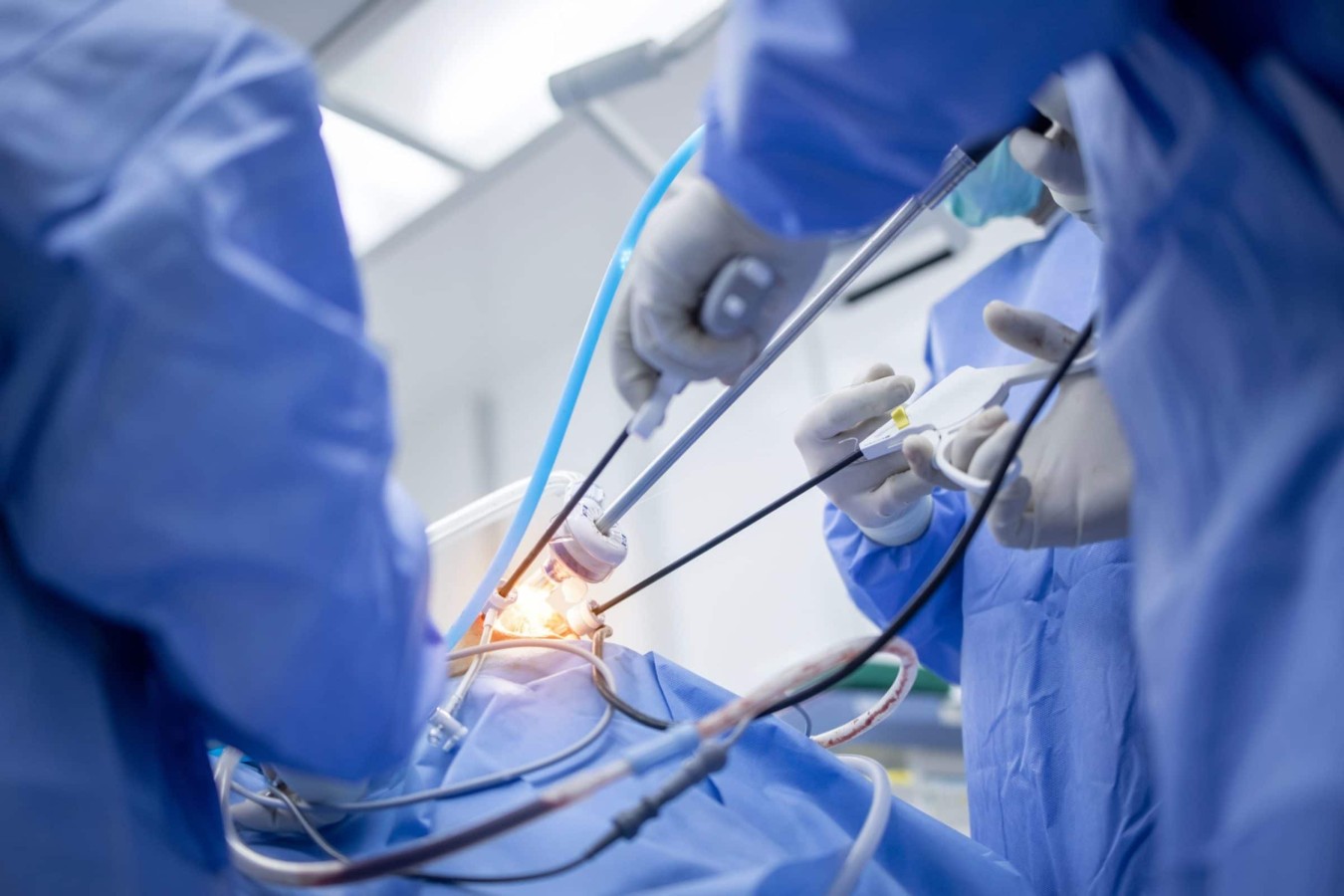
Minimally invasive surgery for cancer treatment is transforming the way medical professionals approach the removal of tumors. With advancements in technology and techniques, this approach is becoming increasingly popular due to its numerous advantages. In 2025, this technique is continuing to provide patients with safer and faster recovery times, as well as less pain and scarring compared to traditional surgical methods. Let's dive into the benefits of minimally invasive surgery for cancer treatment and explore how it’s making a difference in the lives of patients.
What is Minimally Invasive Surgery for Cancer Treatment?
Minimally invasive surgery for cancer treatment refers to a surgical technique where surgeons use small incisions to perform cancer surgery, often with the help of a camera and specialized instruments. Unlike traditional open surgery, which requires large incisions, minimally invasive procedures aim to minimize tissue damage while still effectively removing tumors. The procedure is often performed using a laparoscope or robotic surgery tools, which allow the surgeon to operate with precision and control.
In cancer treatment, this approach is used for various types of cancer, including but not limited to lung, prostate, colorectal, and gynecological cancers. The primary goal is to remove cancerous tissues while preserving surrounding healthy tissues, resulting in a quicker recovery time and fewer complications.
Key Benefits of Minimally Invasive Surgery for Cancer Treatment
1. Reduced Risk of Infection
One of the most significant advantages of minimally invasive surgery for cancer treatment is the reduced risk of infection. Smaller incisions mean less exposure to the outside environment and a lower chance of bacteria entering the body. This leads to fewer postoperative infections, which is critical for cancer patients whose immune systems may be compromised due to their illness or ongoing treatments like chemotherapy.
2. Shorter Recovery Time
Patients undergoing minimally invasive surgery for cancer treatment typically experience much shorter recovery times compared to those who have traditional open surgery. The small incisions used in this procedure mean less trauma to the body, allowing patients to heal faster and return to their normal activities more quickly. In many cases, patients can go home within a day or two after surgery, whereas traditional surgery may require several days of hospitalization.
3. Less Pain and Scarring
With smaller incisions, patients generally report less postoperative pain after minimally invasive surgery. This is especially important for cancer patients, as managing pain can significantly impact their overall quality of life during recovery. Additionally, the smaller incisions result in minimal scarring, which is a major concern for many patients, particularly for those undergoing surgery in visible areas like the abdomen or chest.
4. Improved Precision and Visualization
The use of cameras and robotic tools in minimally invasive cancer surgery allows surgeons to have a more detailed view of the surgical site. This enhanced precision leads to a higher success rate in tumor removal and less damage to surrounding healthy tissues. The ability to visualize the area in real-time also means that the surgeon can make more informed decisions during the procedure, further improving patient outcomes.
5. Lower Risk of Complications
Because minimally invasive surgery involves fewer cuts and less disruption to the body's natural structures, the risk of complications such as blood loss, damage to nearby organs, and adverse reactions to anesthesia is significantly reduced. This makes the procedure a safer option for many cancer patients, especially those with existing health conditions that may increase the risk of complications during traditional surgery.
6. Better Cosmetic Results
In addition to the reduced pain and quicker recovery, the cosmetic benefits of minimally invasive surgery cannot be overlooked. Because the incisions are small, the resulting scars are much less noticeable. For patients undergoing surgery on visible areas, such as the breast or abdomen, the cosmetic outcome can be a major factor in their decision to opt for this type of surgery.
7. Increased Patient Satisfaction
Patients who undergo minimally invasive cancer surgery often report higher levels of satisfaction with their overall treatment. This can be attributed to the less painful recovery, reduced scarring, and quicker return to daily life. With a reduced hospital stay and faster recovery time, patients are able to focus on their cancer treatment and healing without being burdened by the drawbacks of traditional surgery.
Types of Minimally Invasive Surgery Used in Cancer Treatment
Laparoscopic Surgery
Laparoscopic surgery is one of the most common types of minimally invasive surgery used in cancer treatment. It involves making small incisions through which a camera and special instruments are inserted to remove tumors. This technique is often used in colorectal, gynecological, and some abdominal cancers.
Robotic-Assisted Surgery
Robotic-assisted surgery has revolutionized the field of minimally invasive cancer surgery. Surgeons use robotic arms, controlled by a console, to perform complex operations with enhanced precision. This technology is especially beneficial for delicate surgeries, such as those involving prostate or kidney cancer, where precision is critical.
Thoracoscopic Surgery
For patients with lung cancer, thoracoscopic surgery allows the surgeon to operate through small incisions between the ribs, minimizing the need for chest-opening procedures. This technique can be used to remove small tumors or take tissue samples for biopsy, significantly reducing recovery time.
Endoscopic Surgery
Endoscopic surgery involves the insertion of an endoscope (a long, flexible tube with a light and camera) into the body through small incisions. This method is often used for cancers in the gastrointestinal tract, such as stomach or esophageal cancer, to examine the area and remove tumors with minimal disruption to surrounding tissues.
Why Choose Minimally Invasive Surgery for Cancer Treatment?
Personalized Treatment Plans
Minimally invasive procedures allow doctors to create personalized treatment plans for each patient based on the size, location, and type of cancer. Surgeons can tailor their approach, ensuring that the surgery is as effective as possible while also minimizing the impact on the patient's overall health.
Better Overall Outcomes
Studies have shown that minimally invasive surgery for cancer treatment leads to better overall outcomes, including fewer complications, a faster return to normal activities, and improved survival rates. This makes it an appealing option for both patients and doctors, as the procedure improves both short-term recovery and long-term prognosis.
Increased Focus on Quality of Life
Incorporating minimally invasive surgery into cancer treatment allows for a more holistic approach to patient care. It places a strong emphasis on the quality of life during and after treatment, offering patients not only a higher chance of successful cancer removal but also a quicker, less painful recovery.
In conclusion, minimally invasive surgery for cancer treatment offers a wealth of benefits that can significantly improve a patient's experience during treatment. With advantages like reduced pain, faster recovery times, and fewer complications, this innovative surgical technique is becoming the go-to method for many cancer surgeries in 2025. By providing a safer, more precise way to treat cancer while minimizing the impact on the patient's body, minimally invasive surgery continues to pave the way for better outcomes and higher patient satisfaction.
At Cyprus General Surgery, we are dedicated to offering the latest in surgical techniques to ensure the best possible care for our cancer patients. If you or a loved one is facing cancer treatment, consider the benefits of minimally invasive surgery as an option for a faster, safer, and more effective recovery.